
Quick answer
Luxury interior design is not defined by expensive materials alone. It is the discipline of proportion, storage, lighting, texture, comfort, acoustics, and the emotional calm of a room that works every day.
Start with lifestyle, not finishes
Layer task, accent, and indirect lighting
Keep material palettes edited
Use built-in storage to preserve calm
Luxury begins with proportion
A room feels premium when the bed, sofa, doors, wardrobes, ceiling, and walking clearances sit in the right relationship. Oversized details can make even expensive rooms feel uncomfortable.
Lighting creates the atmosphere
Warm indirect light, controlled glare, reading zones, mirror lighting, and evening scenes should be planned before ceiling and electrical work starts.
Materials need restraint
Wood, stone, metal, fabric, and wall textures should be edited into a small family of finishes. A calm palette looks more expensive than a room filled with competing surfaces.
Comfort is a design feature
A premium interior should support sleep, work, hosting, privacy, maintenance, and storage. Beautiful rooms fail when daily use has not been designed.
Decision framework
What to verify before approval.
Project references
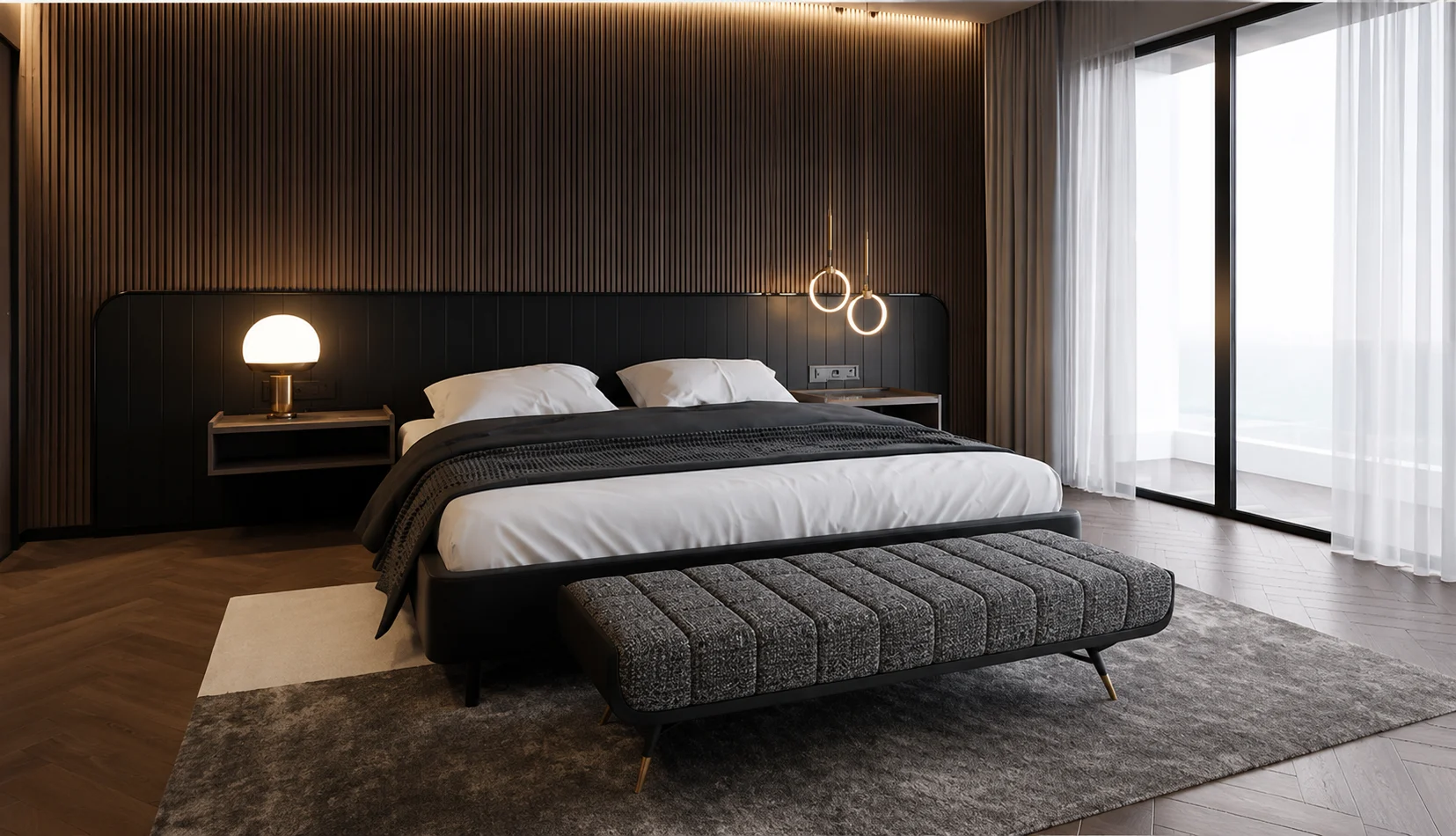
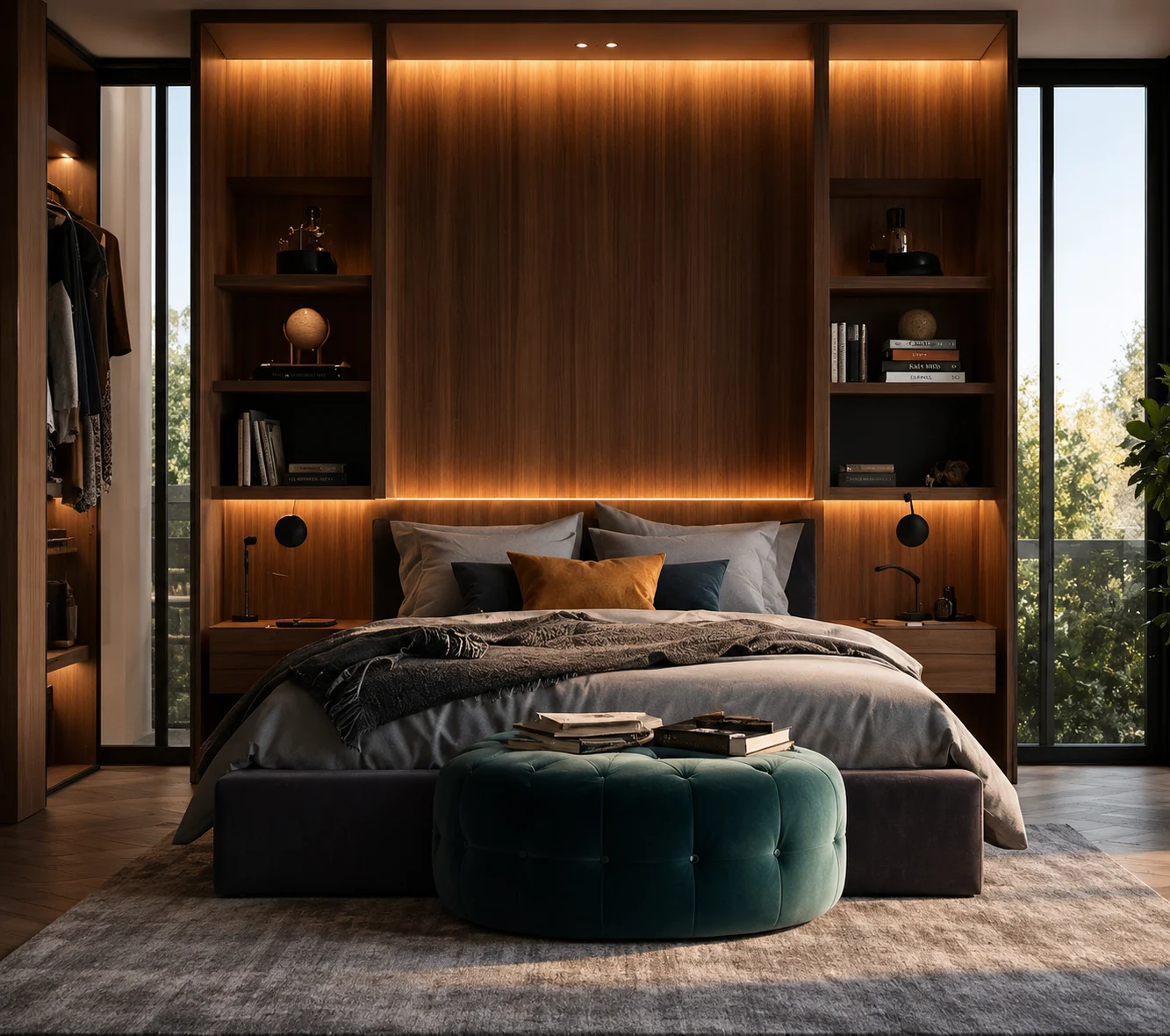
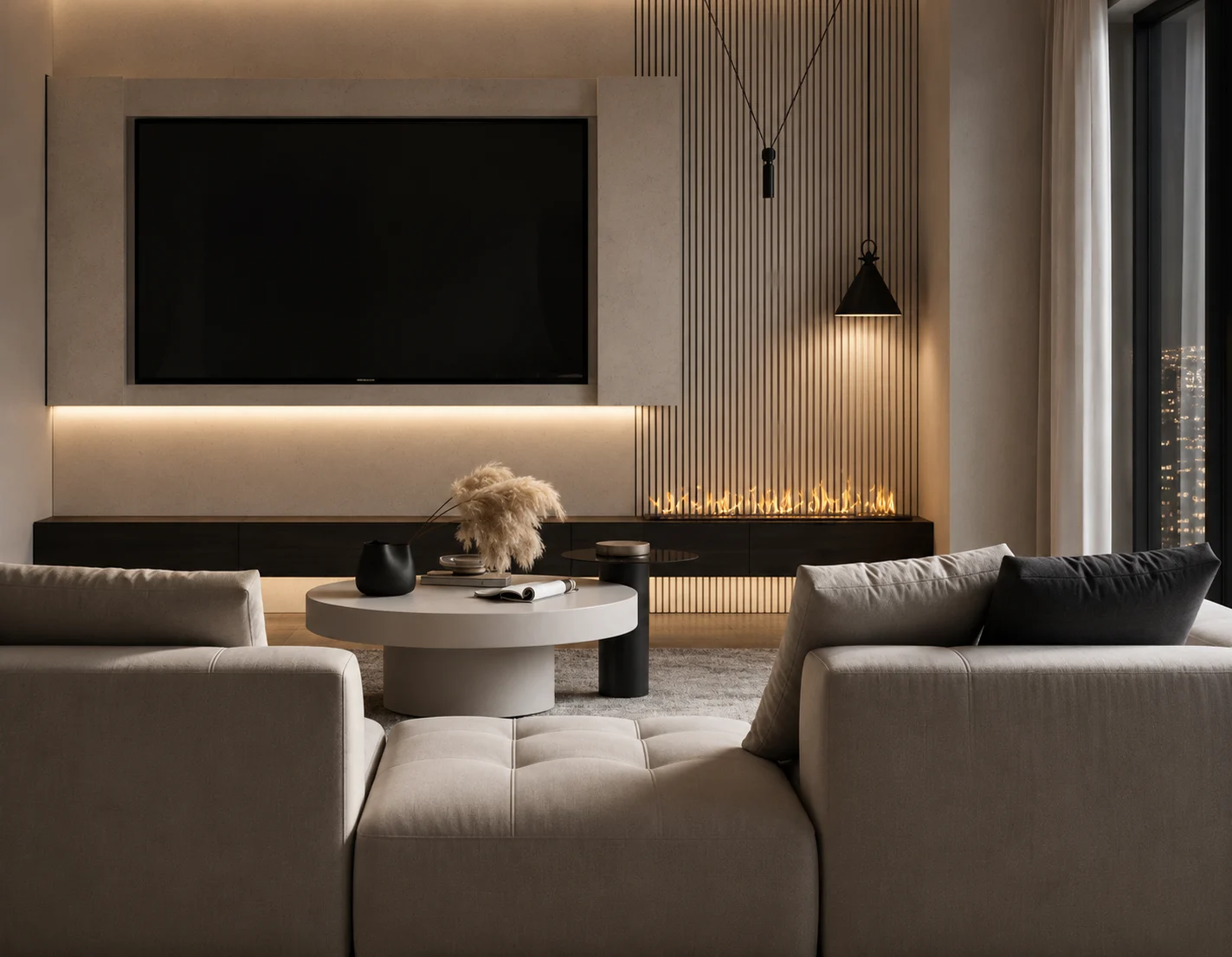
Visual context from HN Architects projects.
Who, how, why
This guide is prepared by HN Architects from studio experience with architecture, interiors, facades, visualization, and client consultation in Islamabad and Rawalpindi. It is written to help clients make clearer design decisions before construction begins.
FAQ
What makes an interior feel luxurious?
Balanced proportions, warm lighting, tactile materials, quiet storage, and comfort that supports daily life.
Should I buy furniture before design?
No. Furniture sizes should follow the room plan, circulation, lighting, and electrical positions.
Can existing rooms be upgraded?
Yes. Lighting, wall treatment, storage, furniture layout, and color temperature can transform an existing room.